

Why CFD Trading Is Gaining Popularity Among Indian Retail Traders
In the past few years, financial markets in India have witnessed a significant transformation. Traditional investing in equities, mutual funds, and commodities now shares the spotlight with more dynamic and flexible instruments—one of the most notable being Contract for Difference (CFD) trading. Once considered niche and foreign to many Indian investors, CFD trading is now rapidly gaining traction among retail traders across the country.
But what exactly is driving this surge in popularity? This article explores the key reasons behind the rise of CFD trading among Indian retail investors and what makes it an attractive alternative or complement to conventional trading formats.
Understanding CFD Trading: A Quick Overview
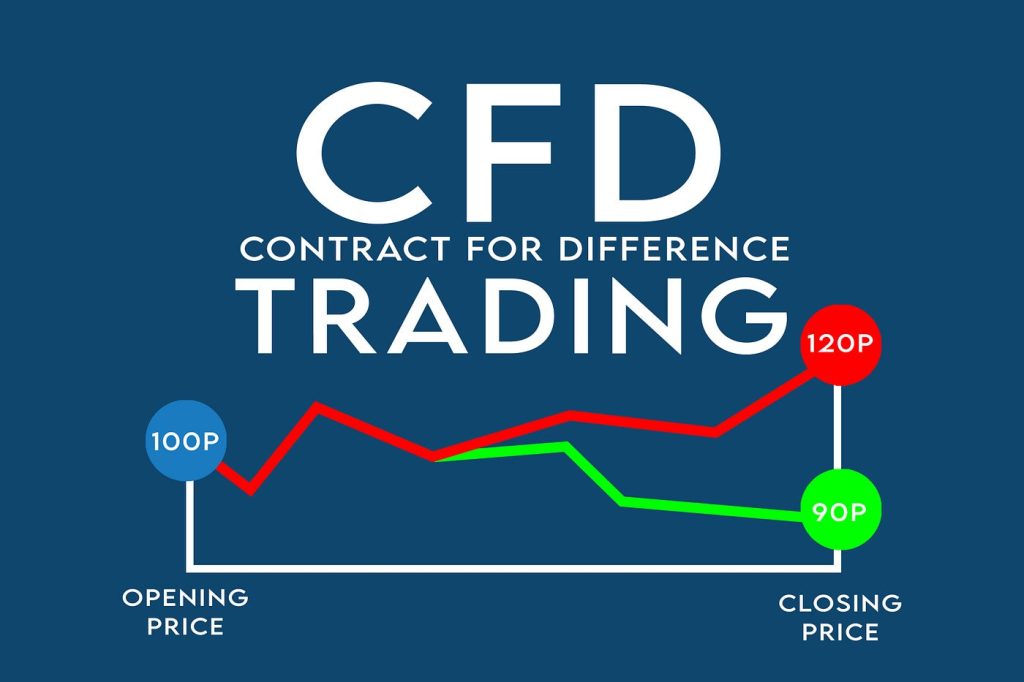
Before diving into the reasons for its popularity, it’s important to understand what CFDs are. A Contract for Difference is a derivative financial product that allows traders to speculate on the price movements of assets such as stocks, indices, commodities, forex, and cryptocurrencies—without owning the underlying asset.
CFD trading allows traders to go long (buy) or short (sell) based on their market outlook, providing flexibility to profit from both rising and falling markets.
Key Reasons CFD Trading Is Gaining Popularity in India
- Access to Global Markets
One of the biggest attractions of CFD trading for Indian traders is access to global financial markets. Unlike traditional Indian trading platforms, which are largely restricted to Indian stocks and derivatives, CFD brokers offer exposure to a wide range of international markets, including:
- Major global stock indices such as the S&P 500, NASDAQ, FTSE 100, and DAX
- Commodities like gold, silver, and crude oil
- Major and minor forex currency pairs
- Select cryptocurrencies
This access has opened up new horizons for Indian retail traders who want to diversify their portfolios beyond domestic assets.
- Flexible Trading with Leverage
CFD trading allows traders to use leverage, meaning they can control a larger position with a relatively small amount of capital (margin). For traders with limited funds—particularly beginners or young professionals—leverage offers a way to participate more actively in markets that might otherwise be inaccessible.
It’s important to note that while leverage can magnify profits, it also increases risk. Successful traders emphasize proper risk management to avoid significant losses.
- Ability to Trade in Both Rising and Falling Markets
Unlike traditional investing—where profit is typically made only when the price of an asset rises—CFDs allow traders to short-sell. This means they can potentially profit when prices fall, a capability that resonates with traders during volatile or bearish market phases. Vida Markets CFD services in India provide traders with diversified options across equities, commodities, and indices.
This flexibility makes CFD trading particularly attractive in markets affected by economic uncertainty or rapid price swings.
- Lower Barriers to Entry
CFD trading doesn’t require owning the underlying asset, which significantly lowers the entry barriers for new traders. There’s no need to open international brokerage accounts or navigate complex settlement procedures; CFD brokers handle execution and settlement, providing a streamlined experience.
For many Indian traders, this simplicity and convenience are powerful motivators.
- Technological Advancements and User-Friendly Platforms
Technological innovation has played a significant role in the rise of CFD trading. Modern trading platforms offered by CFD brokers—such as MetaTrader 4, MetaTrader 5, and proprietary web and mobile apps—are packed with features that enhance the trading experience:
- Real-time market data
- Advanced charting and technical analysis tools
- Customizable indicators
- One-click trading
- Automated trading capabilities
- Seamless mobile access
The availability of intuitive, powerful platforms has made CFD trading more accessible and appealing to tech-savvy Indian traders.
- Growing Financial Awareness and Education
In recent years, financial literacy in India has improved significantly. Increasing numbers of young investors are actively seeking information about different investment products, risk management strategies, and market analysis techniques.
CFD brokers contribute to this trend by offering educational resources such as tutorials, webinars, market insights, and demo accounts. These tools help traders learn at their own pace and build confidence before engaging in live trading.
- The Influence of Social and Mobile Trading Trends
Social media platforms, trading forums, and mobile trading apps have created communities where traders share insights, strategies, and market trends. This sense of community and influence has accelerated interest in CFD trading among Indian retail traders who want dynamic interaction and real-time updates.
Mobile trading, in particular, has become a key trend. With smartphones and 4G/5G networks becoming widespread in India, traders can execute trades, monitor markets, and adjust strategies on the go.
- Diversification Beyond Traditional Investments
Many Indian investors are no longer satisfied with traditional investment vehicles like mutual funds, fixed deposits, or long-term stocks alone. They seek active trading opportunities that offer higher potential returns—albeit with higher risk.
CFDs provide an accessible way to diversify trading strategies, experiment with different asset classes, and respond quickly to market shifts.
The Road Ahead: What the Future Holds
The increasing popularity of CFD trading among Indian retail traders reflects a broader shift toward digitally enabled, globally connected financial markets. As technology improves, educational resources expand, and more traders seek diversified trading opportunities, CFD trading is likely to continue its growth trajectory.
However, prospective traders must approach CFD trading with a clear understanding of both its advantages and risks. Education, disciplined risk management, and the right choice of a reputable broker are essential components of long-term success.
CFD trading is gaining popularity among Indian retail traders for multiple reasons—from access to global markets and leverage to technological advancements and evolving investor preferences. Its flexibility, convenience, and potential for diversification make it an attractive option for traders seeking dynamic market exposure.
As India’s financial ecosystem continues to mature, CFD trading is positioned to play a significant role in how the next generation of Indian traders engages with global financial markets.