

How Indian Traders Manage Risk in CFD and Forex Trading
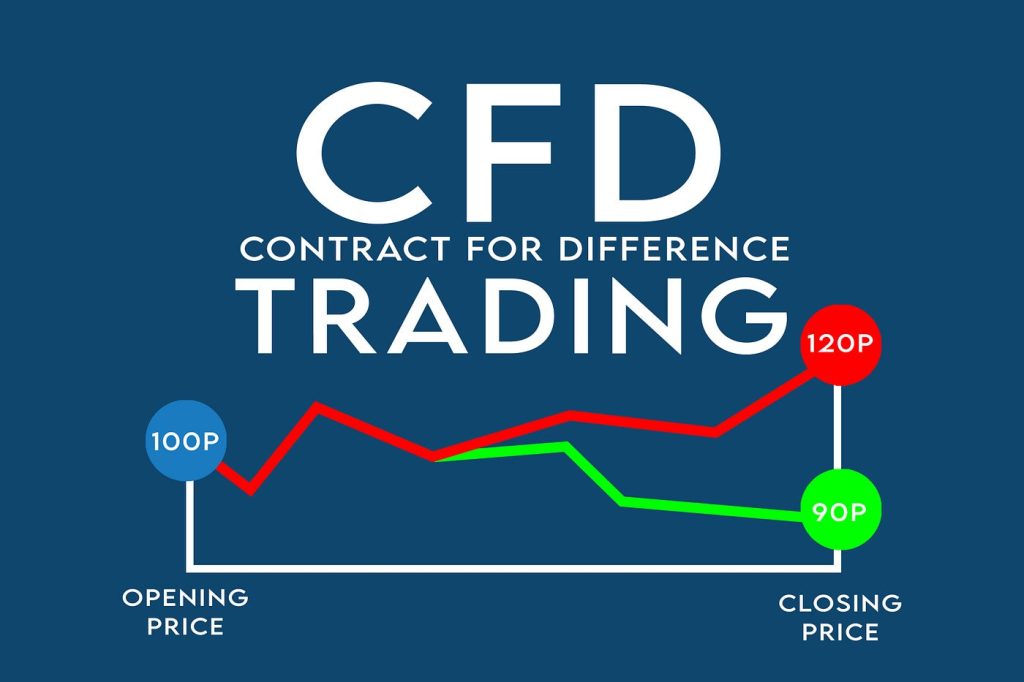
CFD (Contract for Difference) and Forex trading have become increasingly popular among Indian retail traders due to their flexibility, leverage, and access to global markets. However, both markets carry high risk, primarily because of leverage, volatility, and the speculative nature of trading.
Effective risk management strategies are essential for Indian traders to protect capital, limit losses, and trade sustainably. This article explores how Indian traders manage risk in CFD and Forex trading, including practical tools, strategies, and best practices.
- Understanding Risk in CFD and Forex Trading
Before managing risk, Indian traders must understand its sources:
- Leverage Risk: CFDs and Forex allow traders to control larger positions with smaller capital, magnifying both gains and losses.
- Market Volatility: Prices in Forex and CFDs can fluctuate rapidly due to economic events, geopolitical developments, or sudden market sentiment shifts.
- Counterparty Risk: Trading through unregulated brokers increases the risk of fund mismanagement or unfair execution.
- Liquidity Risk: Certain instruments may have low liquidity, leading to slippage or unfavorable execution.
Understanding these risks is the first step toward responsible and disciplined trading.
- Setting Stop-Loss and Take-Profit Orders
Automated risk management tools are widely used by Indian traders:
- Stop-loss orders: Close a trade automatically at a predetermined loss level to prevent larger losses.
- Take-profit orders: Secure profits when the market reaches a favorable level.
- Trailing stops: Adjust stop-loss levels dynamically as the market moves in favor of the trader.
Benefit: These tools protect capital, reduce emotional decision-making, and maintain discipline during volatile market conditions.
- Using Proper Position Sizing
Position sizing is a fundamental risk management strategy:
- Traders calculate the amount of capital allocated per trade based on account size and risk tolerance.
- Many Indian traders limit risk to 1–2% of their total capital per trade.
- This ensures that even consecutive losses do not significantly deplete the account.
Benefit: Position sizing helps manage exposure and keeps losses sustainable.
- Diversification Across Markets and Instruments
Indian traders often diversify their CFD and Forex trades to reduce risk:
- Trading multiple currency pairs or asset classes (stocks, indices, commodities)
- Avoiding over-concentration in a single market or instrument
- Balancing short-term and medium-term positions
Benefit: Diversification mitigates the impact of unexpected market movements on a single asset.
- Monitoring Leverage and Margin
Leverage amplifies both profits and losses. Indian traders manage leverage risk by:
- Using moderate leverage ratios suited to experience level and strategy
- Monitoring margin levels to avoid margin calls
- Adjusting leverage during volatile market conditions
Benefit: Prudent leverage management prevents account blowouts and ensures long-term trading sustainability. Vida Markets multi-asset trading in India allows portfolio diversification, reducing risk and optimizing opportunities.
- Staying Informed About Market Events
In Forex and CFD trading, market news and events can cause sudden price swings:
- Indian traders track economic indicators, central bank decisions, corporate earnings, and geopolitical developments.
- Many use economic calendars and market alerts provided by brokers to anticipate volatility.
- Avoiding trading during high-risk announcements unless strategically planned.
Benefit: Awareness of market events allows traders to minimize unexpected losses.
- Using Demo Accounts for Practice
Before risking real capital, Indian traders often use demo accounts:
- Test strategies and tools without financial risk
- Understand how leverage, spreads, and execution affect trading outcomes
- Gain confidence and experience in simulated market conditions
Benefit: Demo trading builds discipline and strategy validation, reducing errors in live trading.
- Maintaining a Trading Plan and Journal
Successful risk management involves discipline and record-keeping:
- Creating a trading plan: defines entry/exit strategies, risk tolerance, and position size
- Keeping a trading journal: tracks wins, losses, and decision-making rationale
- Reviewing performance periodically to identify mistakes and improve strategies
Benefit: Systematic planning and tracking improve decision-making and risk awareness over time.
- Choosing a Regulated Broker
Indian traders reduce risk by selecting reputable, regulated brokers:
- SEBI-registered brokers for India-based trading
- International brokers regulated by FCA, ASIC, or CySEC for offshore CFDs
- Brokers offering transparent pricing, segregated accounts, and negative balance protection
Benefit: Regulatory oversight protects funds and ensures fair execution, reducing operational and counterparty risk.
- Psychological Risk Management
Managing emotions is as important as managing capital:
- Avoid overtrading during losses or chasing profits
- Maintain patience and discipline, especially during market volatility
- Stick to pre-defined strategies rather than impulsive decisions
Benefit: Emotional control ensures consistent application of risk management strategies.
Key Takeaways for Indian CFD and Forex Traders
- Educate yourself on market risks and leverage.
- Use stop-loss, take-profit, and trailing stops to limit potential losses.
- Apply proper position sizing to protect capital.
- Diversify trades across markets and instruments.
- Monitor leverage and margin levels carefully.
- Stay informed about global economic and political events.
- Practice with demo accounts before trading real money.
- Maintain a trading plan and journal for systematic improvement.
- Choose regulated brokers for secure trading.
- Control emotions to avoid impulsive decisions.
Risk management is the cornerstone of successful CFD and Forex trading for Indian retail traders. By combining discipline, education, and practical tools such as stop-loss orders, position sizing, diversification, and regulated brokers, traders can protect capital, reduce losses, and trade sustainably.
For Indian traders, understanding and actively managing risk is not optional—it is essential for long-term profitability and confidence in global markets.